
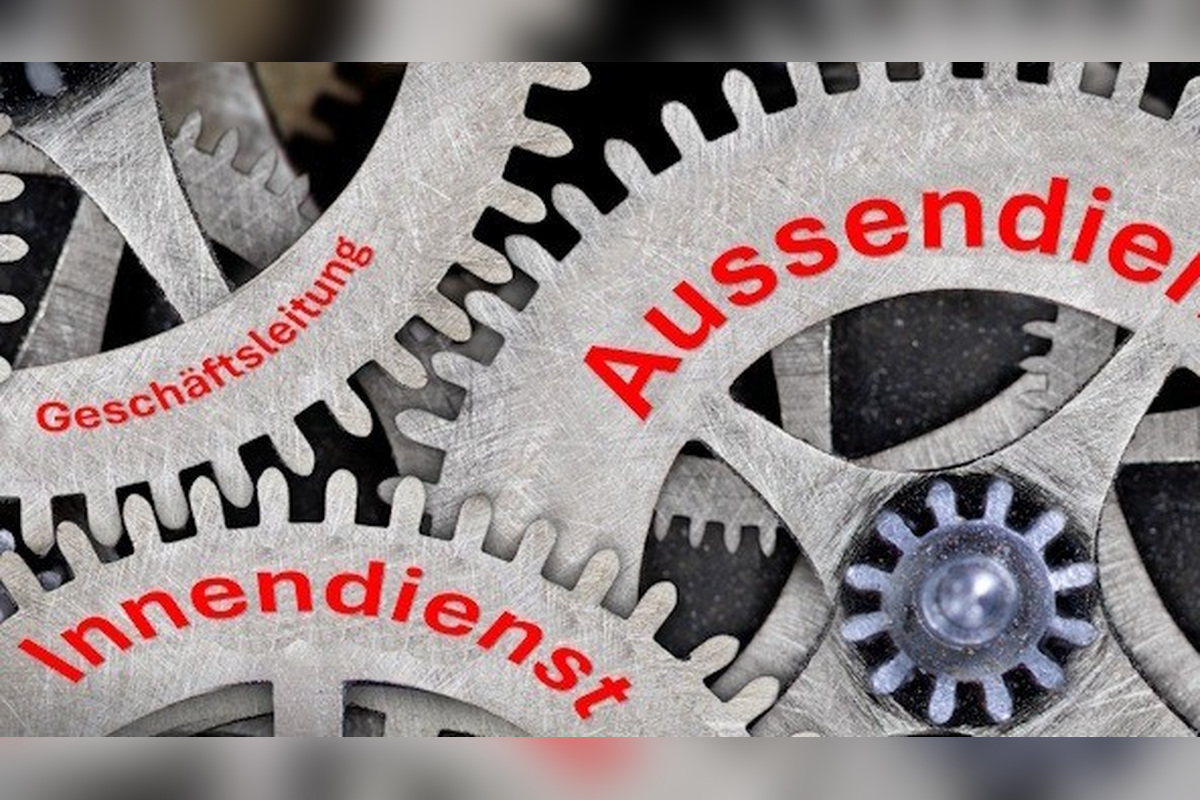
Sales – Process-Optimised and Systemic, or Still Driven by Individual Preferences?
Sales is a leadership responsibility. Sales is a team effort. Sales is a system.
Yet many industrial companies still view it as an individual achievement, shaped by the personal strengths, routines and networks of particular sales professionals.
This can work in the short term. Over time, however, it creates significant risks.
Stagnating markets, growing uncertainty and increasing margin pressure demand more than good salespeople. They require a company that sells as a whole: with structure, coordination and a clear focus on the right customers and market opportunities.
The reality: sales as a solo pursuit
In many industrial companies, sales activity is still strongly shaped by individual approaches:
- Quotations are prioritised according to personal judgement.
- Customer visit reports are produced only occasionally or rarely used afterwards.
- Customer communication takes place outside the CRM system.
- Customer enquiries lead almost automatically to quotations, regardless of the customer’s actual business potential.
- Quotations are prepared but not consistently followed through to the purchasing decision.
- Individual target achievement takes precedence over company performance, sometimes reinforced by poorly designed incentive schemes.
Sales is therefore often driven by personal preferences: individual inclinations, established relationships and familiar working habits determine which customers receive attention, which opportunities are pursued and which activities take priority.
This is not inherently wrong. Personal relationships and individual abilities remain important factors for success.
Problems arise when these approaches are not embedded in a shared sales strategy.
A sales function that depends entirely on individuals is difficult to scale, challenging to manage and vulnerable to change.
Why this approach to sales creates problems
1. Limited visibility of the pipeline and forecast
Without systematic, consistent use of processes and tools, reliable sales management lacks a sound foundation.
If opportunities are not consistently recorded, assessed and updated, the picture of actual business development remains incomplete.
The sales pipeline becomes a black box, creating risks for planning, resource allocation and investment decisions.
2. Loss of knowledge when people move on
When customer relationships are treated as the personal property of individual sales professionals, every staffing change becomes a potential point of failure.
Customers may then identify more strongly with one person than with the company.
Without documented customer information, shared contacts and coordinated account management processes, valuable knowledge and relationships can be lost when an employee leaves.
3. Missed opportunities through insufficient customer focus
Sales resources are often allocated according to historical patterns or existing personal contacts.
The question of which customers offer the greatest development potential receives less attention.
As a result, customers with limited potential may receive intensive support, while strategically important target customers receive too little attention.
Resource allocation should reflect a customer’s current and future business potential, rather than familiarity alone.
4. Lost business opportunities through a lack of systems thinking
Sales is often treated as an isolated function. Even within sales teams, employees sometimes work largely independently of one another.
Yet considerable potential lies in actively involving other business functions in developing opportunities.
Project management, service, engineering and application engineering teams have customer contacts and information that can generate new business opportunities.
A systemic approach to sales means consciously recognising these opportunities, connecting them and acting on them at the right time.
Not every employee needs to sell. But many can make a valuable contribution to business development.
5. Weak coordination between functions
Product management, marketing, application engineering and customer service can provide important insights for approaching the market.
However, opportunities are lost when information stays within individual departments or is not shared systematically.
An effective sales organisation therefore needs capable sales professionals, well-functioning coordination between teams and a shared understanding of the market and customer strategy.
The alternative: sales as a system
A high-performing sales function rests on clear structures, coordinated processes and shared responsibility.
The intention is to support individual strengths within a clear framework.
This creates conditions in which personal capabilities can have their full impact.
Five areas deserve particular attention.
1. A clear approach to target customers
Not every customer offers the same opportunities. Companies therefore need to make deliberate choices about the markets, industries and customers on which they focus sales resources.
This includes:
- Structured market and customer segmentation
- Prioritisation of target customers and relevant buying groups
- Differentiated market approaches for individual segments and industries
- Deliberate consideration of direct and indirect sales channels
A clear target customer approach provides direction and prevents sales activity from being driven predominantly by personal preferences.
2. Standardised processes with room for individuality
Consistent core processes for lead management, quotation follow-up and opportunity management create transparency and comparability.
They make collaboration easier and support informed sales management.
However, too many rules, reports and process steps can overburden an organisation.
A simple principle should therefore guide process design:
As much standardisation as necessary, and as little as possible.
Standards should provide direction and make collaboration easier. They should serve a clear purpose.
Individual strengths and personal customer relationships remain welcome within a jointly defined framework.
3. Close coordination with marketing, product management and other functions
Sales is a collaborative effort.
An effective approach to the market depends on coordinated contributions from different business functions.
For example:
- Marketing generates qualified leads and supports engagement with relevant target groups.
- Product management provides clear differentiators and customer value arguments that support sales.
- Industry segment management identifies new market opportunities and changes in customer needs.
- Corporate communications aligns its activities with the defined target markets and customer segments.
- Sales systematically builds on these contributions and turns them into concrete business opportunities.
These activities need to follow a shared market and sales strategy, with clear coordination between them.
4. Digital tools that deliver real value
A CRM system’s value extends well beyond monitoring activity.
Its core purpose is to make information available, support collaboration and create a common foundation for sales management.
It only delivers these benefits when:
- it is meaningfully integrated into existing workflows,
- relevant information is consistently maintained and used,
- everyone involved receives adequate training,
- and consistent use is demonstrated throughout the organisation, from senior management to field sales.
A CRM system cannot replace a sales strategy. It can, however, be an essential tool for putting that strategy into everyday practice.
5. Leadership that treats sales as a strategic responsibility
A systemic approach to sales requires clear leadership.
This includes clear objectives, regular performance reviews, well-defined responsibilities and consistent alignment with the company’s strategic goals.
Responsibility for sales therefore extends beyond the sales department’s operational work.
Senior management also needs to engage with market potential, the customer base, sales processes and the effectiveness of the company’s market approach.
Developing sales often involves improving how the entire company works together.
From individual effort to a systemic approach
A structured, systemic approach to sales preserves the importance of personal strengths, individual methods and established customer relationships.
Shared structures support these strengths and help protect their value over the long term.
A well-functioning sales system provides direction, increases transparency, improves collaboration and makes it easier to apply successful approaches to other customers and markets.
It also reduces dependence on individuals and strengthens the company’s ability to respond to change.
Sales success is a company-wide achievement
Lasting sales success requires more than outstanding individuals.
It comes from the interaction of a clear market strategy, suitable processes, effective leadership and a company culture in which information is shared and business opportunities are developed together.
Understanding sales as a system creates the conditions for greater resilience, efficiency and sustainable growth while retaining the individual strengths of sales professionals.